
Vermicomposting is the process of making organic manure using earthworms from organic waste or field waste.
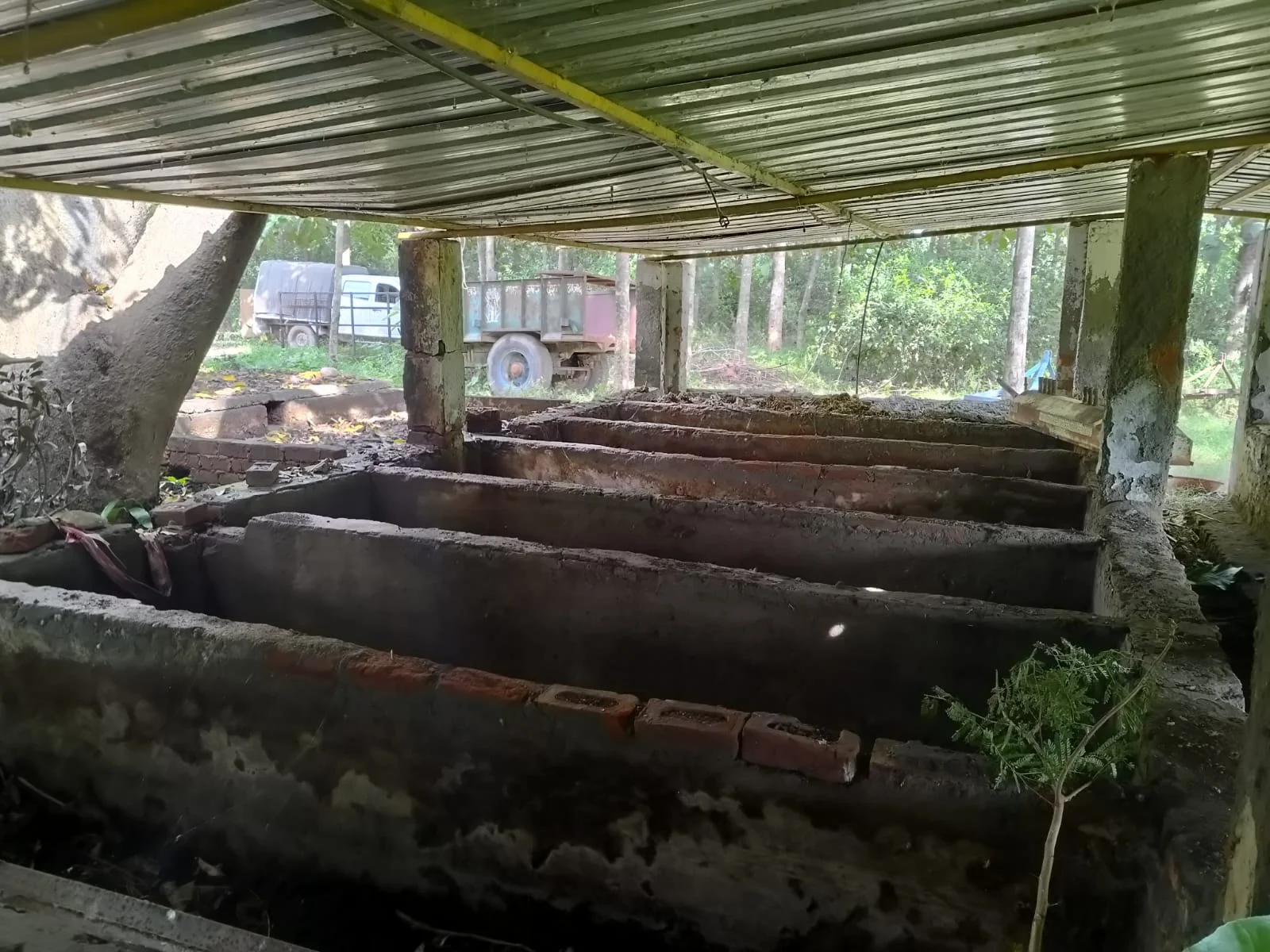
What is Vermicompost?
Vermicompost is been produced and processed by earthworms. Earthworms feeds on the field waste and soil producing (excreta) a fine and granular soil.
In short: Vermicompost is a nutrient rich compost or organic manure produced by earthworms by digesting organic waste, including crop leftovers, and animal manure.
About Earthworms
Earthworms are know as farmers friend as they turns soil upside down by feeding continuously on soil or dry field waste or leaves (not the desi ones).
Common Earthworm Used:
- Eisenia fetida
- Use to live deep in sea and forms arsenic acid and lead in the sea.
- Life span 1-5 years.
- One adult earthworms can produce 250 cocoons or eggs.
- Excretes nutrient rich waste.
- The best thing about Eisenia fetida is it even feeds on dry leftovers of crops.

The Concept of Mother Culture
In mother culture the earthworms are mainly raised for their multiplication (For the reproduction) so that they are large in number and can be used whenever needed. So it is easily available to farmer.
Important: The mother culture should be checked regularly for any type of fungal growth or for any pest infestation as it is important for growth of new earthworms.
Materials Required for Vermicomposting
- Earthworms
- Cow dung
- Green and dry leaves
- Kitchen waste
- Water
- Shade structure
- Vermi bed or pit
SIZE OF PIT FOR MOTHER CULTURE (B×L×H): 3 feet × 10 meter × 2 feet (respectively). Adding 2000 earthworms or 2kg earthworms are added in a single mother culture. Note: The breadth should not be more then 3 feet and the mentioned materials should be laid in layers in the pit.

Methods of Vermicomposting
1. Pit Method Procedure:
- Dig a pit about 3 to 4 meters long, 1.5 to 2 meters wide and about 1 meter deep.
- Use material like dry leaves, straw or farm waste.
- Add cow dung and waste layer by layer each layer should be thick enough (atleast of 6 feets).
- The earthworms can be added easily as for one pit 2000 earthworms are more then enough.
- Maintain moisture by sprinkling water regularly as earthworms needs moist surface.
- Cover the vermicompost with straws.
- The compost becomes ready in about 45–60 days.

2. Bed Method Procedure:
- Prepare a raised bed on above the ground.
- Add cow dung and organic waste.
- Use earthworms to decompose the waste.
- Sprinkle water to maintain moisture.
- Cover the raised bed and keep under the shade.
- Vermicompost is ready in 40–50 days.
Conditions for Successful Vermicomposting
Important Note: The mother culture should only be raised in pits and not in bed Method as the earthworms can easily go to soil for search for food or due to competition among each other.
Things to be careful about:
- Moisture level: Should be around 60–70%.
- Temperature: For earthworm activity is between 20–30°C (The slight difference can occur).
- pH Level: The feed given should be about 6.5–7.5.
- Environment: Earthworms should be kept in proper shade with good aeration.
Advantages & Disadvantages
Advantages:
- Improves soil structure and overall fertility of soil.
- Increases the water-holding capacity of the soil.
- Enhances the activity of microorganisms.
- Reduces the dependence on chemical fertilizers.
- Promotes healthy plant growth.

Disadvantages:
- Increase in temperature can kill the earthworms.
- Less water can lead to death or affect composting.
- Pests may attack the unit if not properly managed.
How to Know if Vermicompost is Ready?
- The compost changes to a dark brown or black color.
- It feels soft and loose when touched.
- It has a fresh earthy smell.
- You cannot see any raw waste in the soil or pit.
Value Addition: Making Vermicompost More Nutritional
How can we make Vermicompost MORE NUTRITIONAL?
- TRICODERMA / PSEUDOMONAS (biocontrol agent): Provides more nitrogen and phosphorus; produces antimicrobial compounds that inhibit harmful fungi.
- CALCIUM CARBONATE: Increase calcium level in manure.
- GREEN LEAVES: A source of carbon.
- ASH: A rich source of potash and Sulphur.
- JEEVAMRIT: Can also be added with water.
Acknowledgments & The Team
Acknowledgments & The Team Behind this guide to “Black Gold,” there is a dedicated team working to bring sustainable soil solutions to farmers.
- Technical Mentor: Rohit Rajwani Sir – For professional guidance on digital infrastructure and hosting setup for the hub.
- Field Expert & Mentor: Shri Deepak Upadhyay – Providing hands-on practice and traditional wisdom from Nakronda and Biharigarh.
- Content & Research: Shubham Chamola (BSc Hons Agriculture, SGRR) – Primary researcher focused on sustainable composting and research.
- Technical Research: Mannat Raturi (BSc Hons Agriculture Student, SGRRU) – Leading the agricultural research and organic protocols for composting.
- Visuals & Documentation: Shubham Bisht – Expertly captured the field essence and team moments.
- Digital Strategy & Lead: Mehak Raturi – Managing brand strategy and digital outreach for The Organic Agri Hub.